

The H.O.M.E. Model
A practical framework for navigating complex family dynamics with greater clarity and intention.


The H.O.M.E. Model
The H.O.M.E. Model is a practical framework developed through years of parent coaching and therapeutic work with families navigating conflict, emotional shutdown, school struggles, and high-stress transitions. It helps parents slow reactive cycles, understand what is driving the tension, and respond more effectively in difficult moments. Grounded in decades of real-world experience, the model gives families practical tools for improving communication, reducing overwhelm, and creating healthier patterns at home.



The H.O.M.E. Model Helps Families Move From “What Is Happening?” to “I Know What to Do Next.”
Many parents sense that something isn’t working, but struggle to name what’s happening or know how to respond without making things worse.
The H.O.M.E. Model gives families a way to slow the moment down. It brings language, structure, and perspective to moments that once felt confusing, reactive, or impossible to sort through.
Over time, parents begin to build their “I’ve got this” superpower: the ability to pause, understand what is really happening, and respond with confidence.
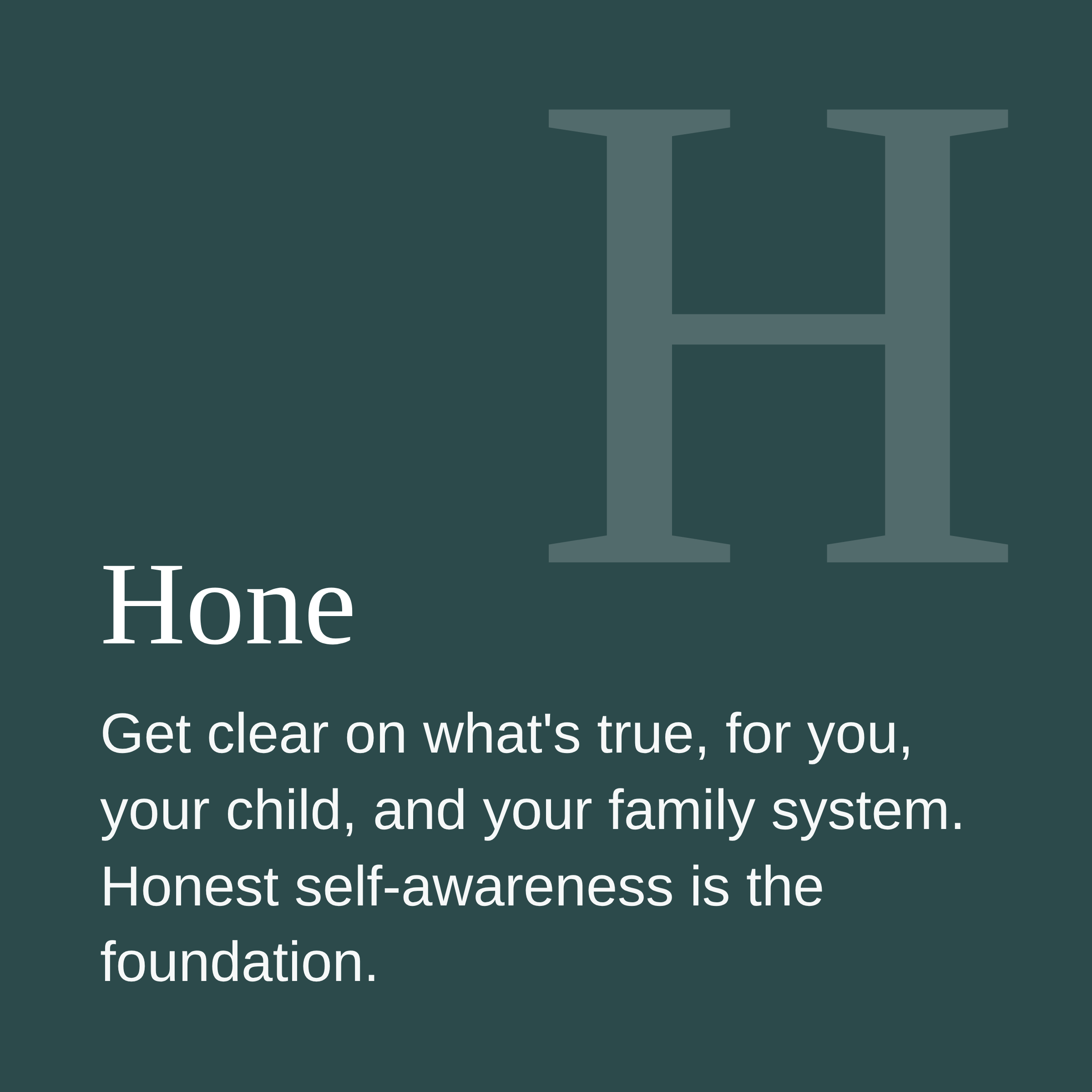
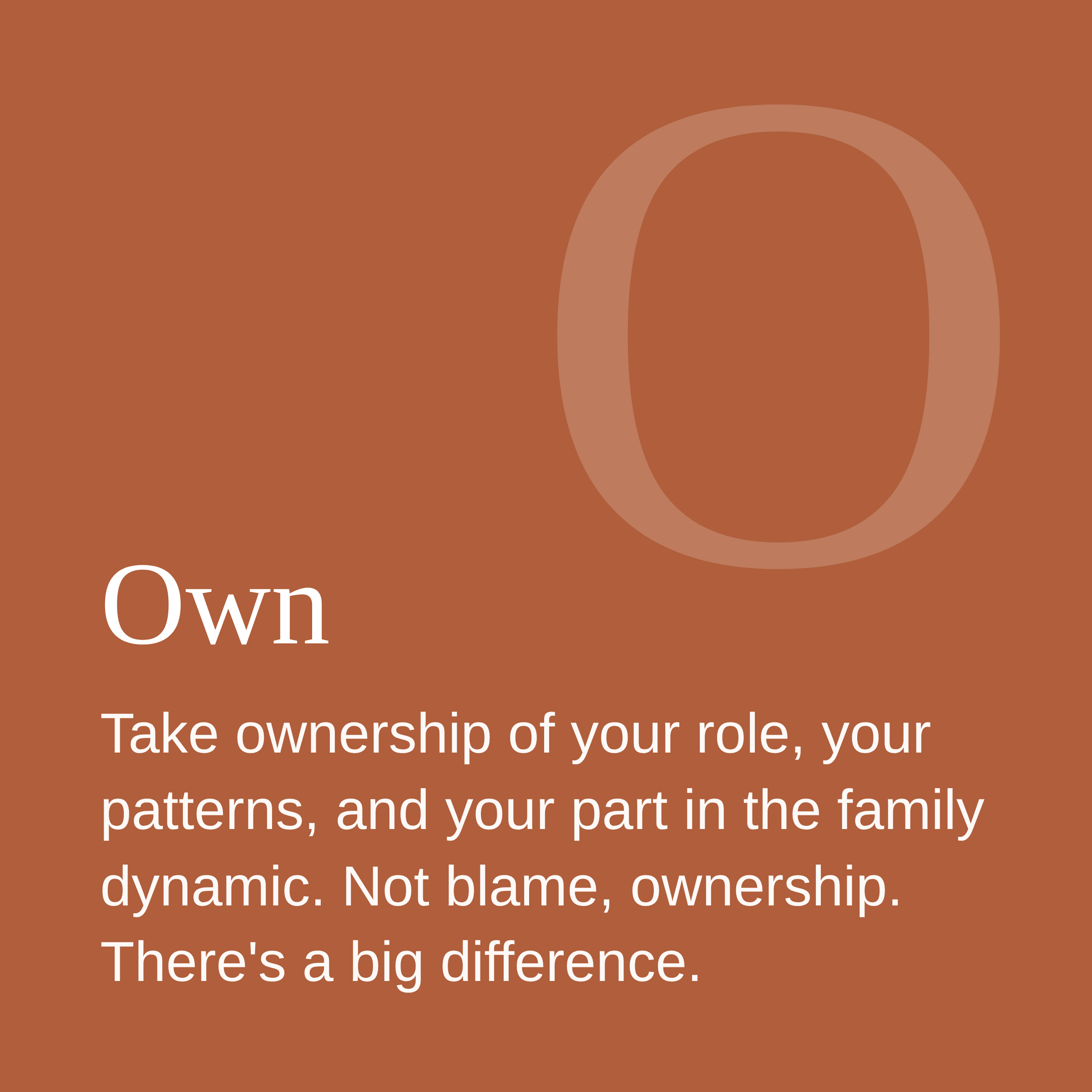
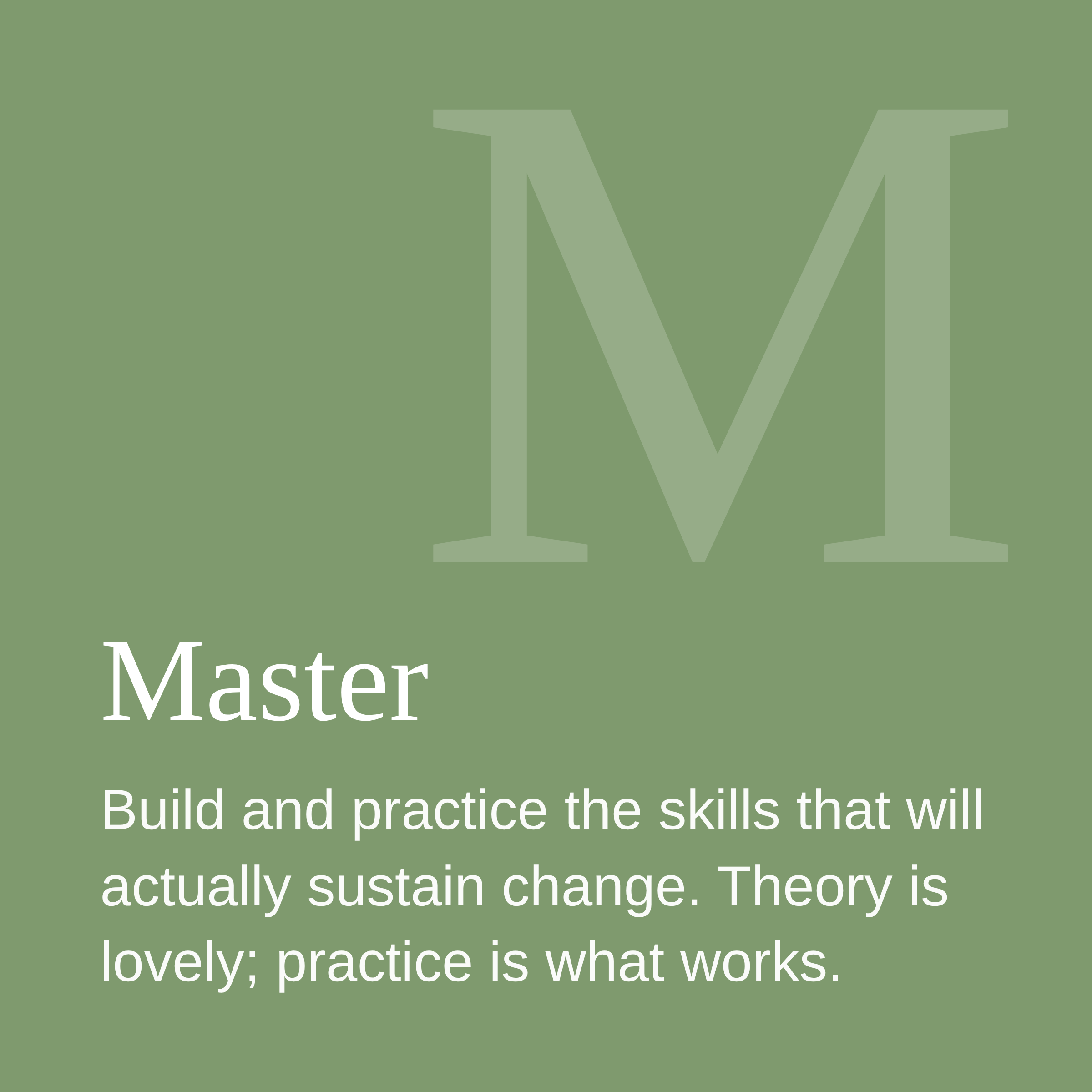
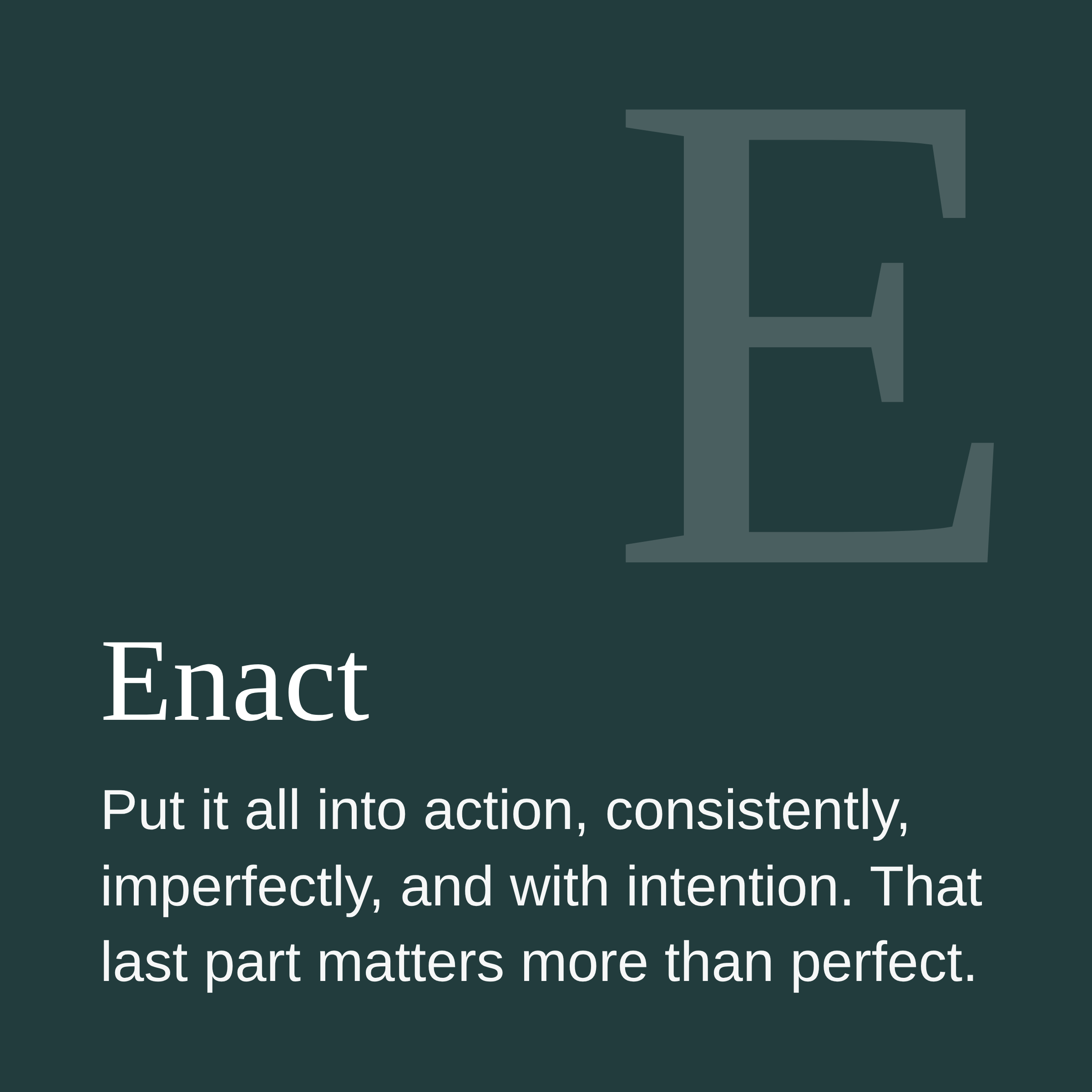
The H.O.M.E. Framework
Each step of the model helps parents move from reactivity toward clearer, more intentional responses.

How We Use the H.O.M.E. Model
In Our Coaching
The H.O.M.E. Model is a central framework in our coaching work, offering parents and individuals a shared reference point for navigating challenges with greater clarity and intention.
It helps slow conversations down, reduce emotional reactivity, and support more thoughtful decision-making.

Through Written Guidance
We also expanded the model through our book, H.O.M.E.: Strategies for Making Home a Success During and After Treatment, to support parents navigating therapy or treatment transitions.
Whether through coaching or written guidance, the model supports lasting change that holds up in everyday life, not just in moments of crisis.



Learn How the H.O.M.E. Model Can Help
If you're navigating difficult dynamics at home, the H.O.M.E. Model provides a clear framework for slowing things down and finding a more constructive path forward.

STAY CONNECTED